
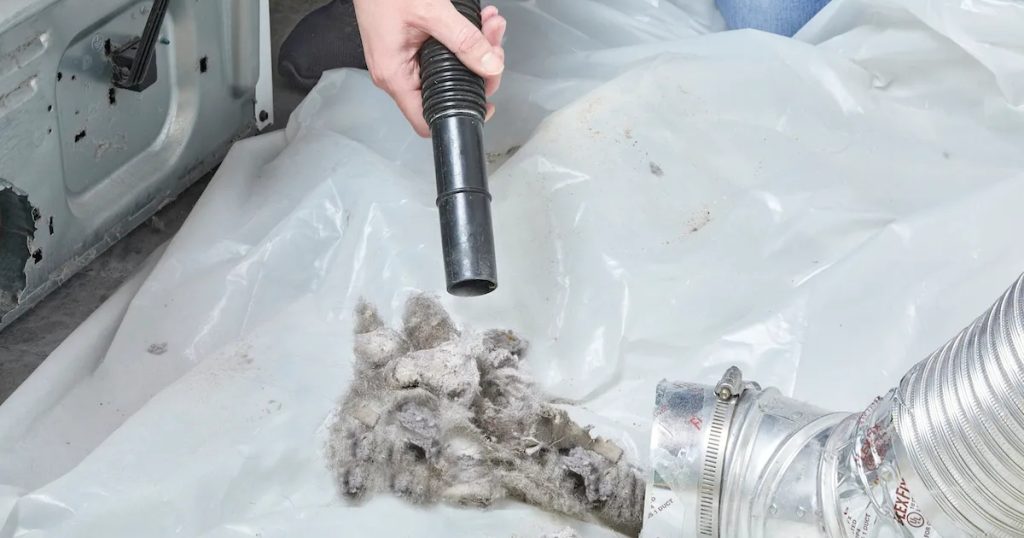
Dryer vent cleaning is a crucial aspect of home maintenance that is often overlooked. Many homeowners are unaware that lint buildup in dryer vents can lead to serious hazards, including house fires. According to the National Fire Protection Association (NFPA), clothes dryers are responsible for approximately 15,500 structure fires annually, with failure to clean the dryer vent being a leading cause.
This statistic underscores the importance of regular maintenance and cleaning of dryer vents to ensure safety and efficiency in the home. In addition to fire hazards, clogged dryer vents can significantly reduce the efficiency of your dryer. When lint accumulates in the vent, it restricts airflow, causing the dryer to work harder and longer to dry clothes.
This not only leads to increased energy consumption but can also shorten the lifespan of the appliance. By prioritizing dryer vent cleaning, homeowners can enhance the performance of their dryers, save on energy bills, and reduce the risk of fire hazards.
Key Takeaways
- Regular dryer vent cleaning is essential to prevent fire hazards and improve dryer efficiency.
- Common signs of a clogged vent include longer drying times and excessive heat buildup.
- Proper tools and safety precautions are crucial for effective and safe DIY vent cleaning.
- Cleaning your dryer vent regularly enhances energy efficiency and extends the lifespan of your dryer.
- Know when to call a professional, especially if the vent is hard to access or heavily clogged.
Signs That Your Dryer Vent Needs Cleaning
Recognizing the signs that your dryer vent needs cleaning is essential for maintaining both safety and efficiency. One of the most common indicators is longer drying times. If you notice that your clothes are taking significantly longer to dry than usual, it may be a sign that lint is obstructing airflow in the vent.
This inefficiency not only wastes energy but can also lead to overheating, which poses a fire risk. Another telltale sign is the presence of a burning smell during or after a drying cycle. This odor can indicate that lint is overheating within the vent, which can ignite and cause a fire.
Additionally, if you find that your laundry room is unusually humid or has an excessive amount of lint around the dryer area, these are clear signals that your dryer vent requires immediate attention. Regularly checking for these signs can help prevent potential hazards and maintain optimal dryer performance. For reliable and professional maintenance, trust AACO Dryer Vent Cleaning and Repair Services to keep your dryer running efficiently.
Tools and Equipment Needed for DIY Dryer Vent Cleaning
Cleaning your dryer vent can be a straightforward task if you have the right tools and equipment at your disposal. A basic dryer vent cleaning kit typically includes a flexible brush designed specifically for vent cleaning, which can reach deep into the ductwork to remove lint buildup. These brushes often come with extendable rods that allow you to adjust their length based on the size of your vent.
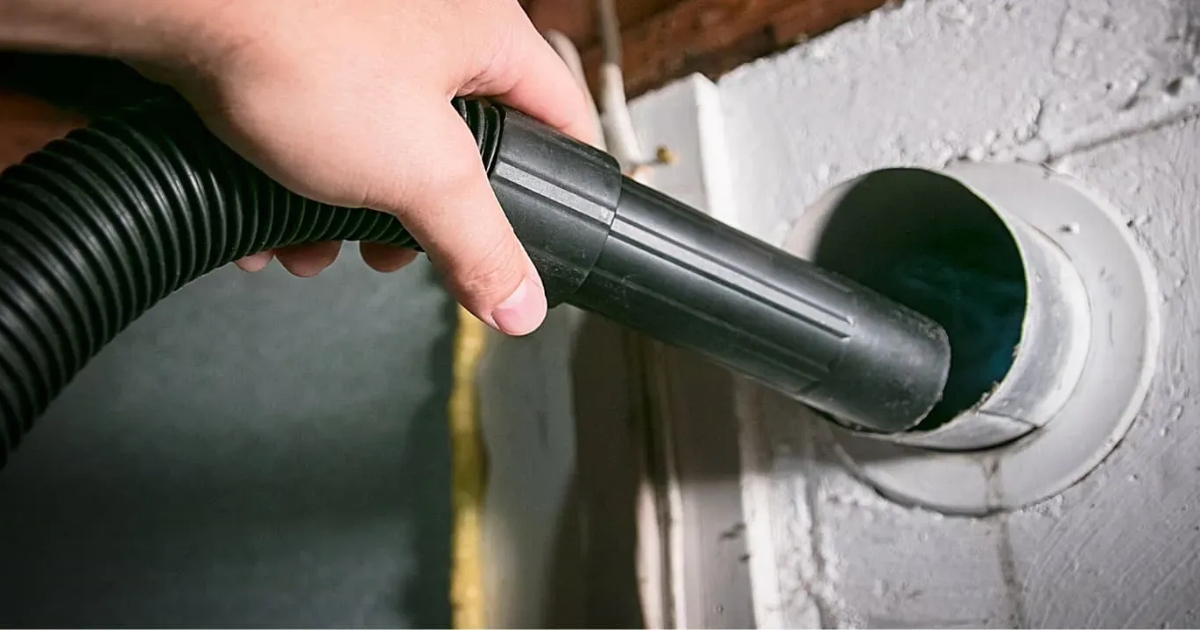
In addition to a cleaning brush, you may also need a vacuum with a hose attachment to remove any loose lint that may have accumulated around the dryer and in the vent opening. A flashlight can be helpful for inspecting the vent and ensuring that all areas are thoroughly cleaned. Safety goggles and gloves are also recommended to protect yourself from dust and debris during the cleaning process.
Having these tools ready will make your DIY cleaning experience more efficient and effective.
Steps to Clean Your Dryer Vent
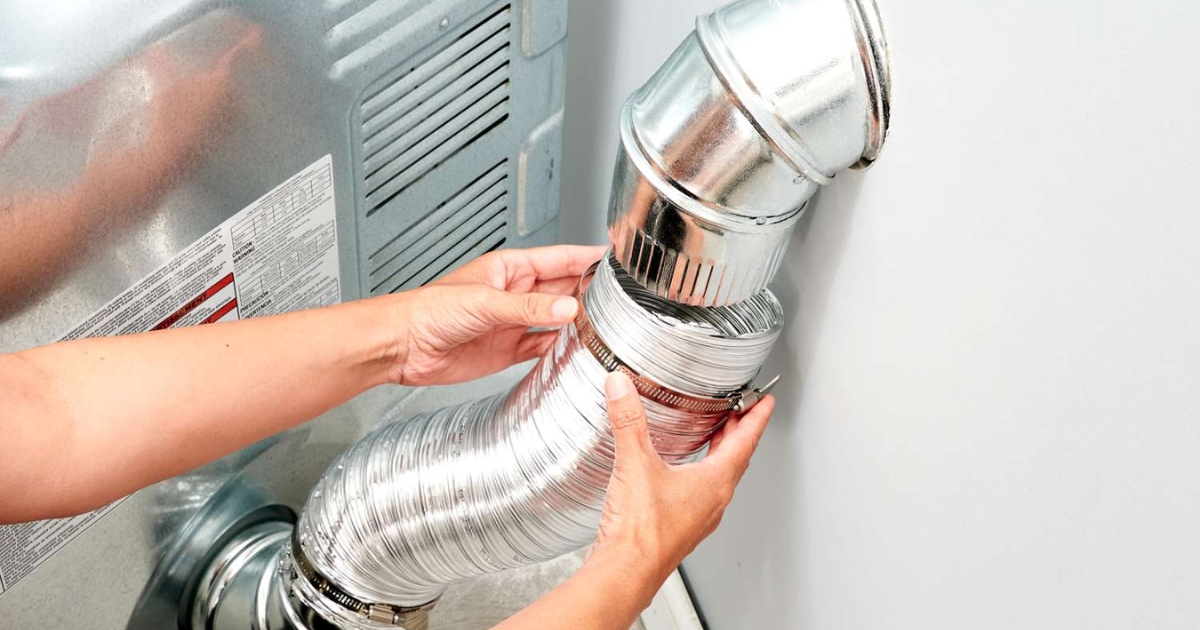
Cleaning your dryer vent involves several steps that ensure thorough removal of lint and debris. First, start by unplugging your dryer from the electrical outlet to ensure safety during the cleaning process. Next, disconnect the duct from the back of the dryer.
This may require loosening clamps or screws, depending on your dryer model. Once disconnected, inspect both the duct and the vent opening for visible lint buildup. Using your flexible brush, insert it into the duct and begin scrubbing in a circular motion to dislodge any lint.
Work your way through the entire length of the duct, extending the brush as needed. After brushing, use your vacuum to remove any loosened lint from both the duct and the vent opening. It’s also advisable to clean around the dryer itself, as lint can accumulate in this area as well.
Once everything is clean, reattach the duct securely to the dryer and plug it back in.
Safety Precautions When Cleaning Your Dryer Vent
| Metric | Details |
|---|---|
| Safety | Ensure dryer is unplugged and gas supply is turned off (if applicable) before cleaning. |
| Tools Needed | Vacuum cleaner, dryer vent brush, screwdriver, and possibly a flexible cleaning rod. |
| Time Required | 30 to 60 minutes depending on vent length and condition. |
| Frequency | Recommended at least once a year or more frequently if heavy dryer use. |
| Benefits | Improves dryer efficiency, reduces fire risk, and extends dryer lifespan. |
| Risks | Potential damage to vent or improper reassembly if not done carefully. |
| When to Hire a Professional | If vent is long, difficult to access, or heavily clogged. |
Safety should always be a priority when undertaking any home maintenance task, including dryer vent cleaning. Before starting, ensure that you have unplugged your dryer from its power source to prevent any accidental starts during cleaning. Additionally, it’s wise to wear safety goggles and a mask to protect yourself from dust and debris that may be released during the cleaning process.
When using tools such as a vacuum or brush, handle them with care to avoid injury. If you encounter any stubborn lint clogs that cannot be removed easily, refrain from using excessive force, as this could damage your venting system. Instead, consider consulting a professional if you feel uncomfortable or if the blockage seems severe.
Taking these precautions will help ensure a safe and effective cleaning experience.
Benefits of Cleaning Your Dryer Vent
The benefits of regular dryer vent cleaning extend beyond just safety; they also encompass efficiency and cost savings. One of the most significant advantages is reduced fire risk. By eliminating lint buildup, you decrease the likelihood of overheating and potential ignition sources within your dryer system.
This proactive measure can provide peace of mind for homeowners concerned about fire hazards. Moreover, a clean dryer vent enhances appliance efficiency. When airflow is unrestricted, dryers operate more effectively, leading to shorter drying times and lower energy consumption.
This efficiency translates into cost savings on utility bills over time. Additionally, maintaining a clean vent can prolong the lifespan of your dryer by reducing wear and tear caused by overworking due to restricted airflow.
How Often Should You Clean Your Dryer Vent?
Determining how often to clean your dryer vent depends on several factors, including usage frequency and household size. As a general guideline, it is recommended that homeowners clean their dryer vents at least once a year. However, if you have a larger family or frequently use your dryer for heavy loads, more frequent cleanings—every six months—may be necessary.
Another factor to consider is the type of materials you are drying. For instance, if you often dry items made from synthetic fabrics or towels that shed more lint, you may need to increase your cleaning frequency. Regularly monitoring your dryer’s performance and being attentive to signs of lint buildup will help you establish an appropriate cleaning schedule tailored to your specific needs.
Common Mistakes to Avoid When Cleaning Your Dryer Vent
While cleaning your dryer vent may seem straightforward, there are several common mistakes that homeowners should avoid to ensure effective results. One frequent error is neglecting to clean not just the duct but also the lint trap and surrounding areas. Focusing solely on one aspect can leave significant amounts of lint behind, which can still pose risks.
Another mistake is using improper tools or techniques that could damage the venting system. For example, using rigid brushes or excessive force can cause dents or breaks in flexible ducts. Additionally, failing to reconnect all components securely after cleaning can lead to airflow issues or even disconnections during operation.
Being mindful of these pitfalls will enhance your cleaning efforts and maintain optimal dryer performance.
When to Call a Professional for Dryer Vent Cleaning
While many homeowners can successfully clean their own dryer vents, there are situations where calling in a professional is advisable. If you notice persistent issues such as extremely long drying times or burning smells even after cleaning, it may indicate deeper problems within your venting system that require expert attention. Professionals have specialized equipment that can reach areas inaccessible by standard tools.
Additionally, if you live in an older home with complex ductwork or if your dryer vent runs through multiple bends or long distances, professional assistance may be necessary for thorough cleaning. Experts can also conduct inspections for potential blockages or damage that could compromise safety and efficiency. Knowing when to seek professional help can save time and ensure that your dryer operates safely.
Tips for Maintaining a Clean Dryer Vent
Maintaining a clean dryer vent requires ongoing attention beyond periodic deep cleanings. One effective tip is to regularly check and clean the lint trap before each drying cycle; this simple step prevents excess lint from entering the vent system in the first place. Additionally, consider using dryer balls or similar products that help separate clothes during drying, reducing lint accumulation.
Another proactive measure is to inspect your venting system periodically for any signs of damage or wear. Look for kinks in flexible ducts or loose connections that could impede airflow. Ensuring that your outdoor vent flap opens freely when the dryer is in use is also essential; this allows for proper ventilation and prevents moisture buildup inside the ductwork.
The Importance of Regular Dryer Vent Maintenance
Regular maintenance of your dryer vent is not just about keeping your appliance running efficiently; it’s about ensuring safety within your home environment. By understanding the importance of cleaning your dryer vent and recognizing signs of buildup, homeowners can take proactive steps to mitigate risks associated with fire hazards and inefficiency. Armed with the right tools and knowledge about proper cleaning techniques, individuals can effectively maintain their dryers while enjoying peace of mind regarding their safety.
Incorporating routine checks into your home maintenance schedule will not only enhance appliance performance but also contribute to energy savings over time. Whether opting for DIY methods or enlisting professional help when necessary, prioritizing dryer vent maintenance is an investment in both safety and efficiency that pays dividends in the long run.
If you’re considering cleaning your dryer vent yourself, it’s essential to understand the potential risks and benefits involved. For a more comprehensive overview of the services available, you might find it helpful to read about the professional options in your area. Check out this article on the services offered by a local expert in dryer vent cleaning: Dryer Vent Cleaning Services. This resource can provide you with valuable insights into the importance of maintaining a clean dryer vent and the advantages of hiring a professional.
FAQs
Can I clean my dryer vent myself?
Yes, you can clean your dryer vent yourself using basic tools like a vacuum, a dryer vent brush, and a screwdriver. However, it requires careful attention to safety and thoroughness to ensure all lint and debris are removed.
How often should I clean my dryer vent?
It is recommended to clean your dryer vent at least once a year. If you notice your clothes taking longer to dry or the dryer becoming unusually hot, you may need to clean it more frequently.
What tools do I need to clean a dryer vent?
Common tools include a vacuum cleaner with a hose attachment, a dryer vent cleaning brush or kit, a screwdriver to remove vent covers, and sometimes a flashlight to inspect the vent.
Is it safe to clean the dryer vent myself?
Yes, it is generally safe if you follow proper safety precautions such as unplugging the dryer, turning off the gas supply if applicable, and carefully removing lint without damaging the vent or dryer components.
What are the risks of not cleaning the dryer vent?
Failing to clean the dryer vent can lead to reduced dryer efficiency, increased energy costs, longer drying times, and a higher risk of dryer fires due to lint buildup.
Can I use a vacuum cleaner to clean the dryer vent?
Yes, a vacuum cleaner with a hose attachment can be used to remove lint from the vent and the dryer’s lint trap area. However, it may not reach deep into the vent duct, so a vent brush is often recommended for thorough cleaning.
When should I call a professional to clean my dryer vent?
If your dryer vent is long, has multiple bends, or is difficult to access, or if you notice persistent drying issues or suspect a blockage, it may be best to hire a professional for a thorough and safe cleaning.
Does cleaning the dryer vent improve dryer performance?
Yes, cleaning the dryer vent removes lint buildup that restricts airflow, which helps the dryer operate more efficiently, reduces drying time, and lowers energy consumption.
Can I clean the dryer vent without disconnecting the dryer?
It is recommended to disconnect the dryer from the vent to clean it thoroughly. Cleaning without disconnecting may not remove all lint and debris, especially from the vent hose and ductwork.
What signs indicate my dryer vent needs cleaning?
Signs include clothes taking longer to dry, the dryer feeling hot to the touch, a burning smell during operation, excessive lint around the dryer, or the dryer shutting off unexpectedly.