

When your trusty refrigerator decides to take an unplanned sabbatical from cooling, or your washing machine starts serenading you with an alarming clang, your first thought is probably “who can fix this, and fast?” Choosing the right appliance repair technician isn’t just about speed, though. It’s about finding someone reliable, competent, and fair. The key factors boil down to reputation, experience, transparency in pricing, proper licensing/certification, and how they handle parts and warranties. Let’s dive into what each of these really means for you.
First and foremost, you want someone you can trust. This isn’t just about a gut feeling; it’s about what others are saying and the history of their business practices.
Online Reviews and Testimonials
Don’t just glance at the star rating. Dig into the comments. Are people consistently praising attention to detail, timely service, or fair pricing? Conversely, are there recurring complaints about missed appointments, rude staff, or hidden fees? Be wary of companies with an overwhelming number of generic, five-star reviews within a short period – these can sometimes be artificially boosted. Look for detailed accounts, even if they’re not all glowing, as long as the company has responded professionally to negative feedback. Yelp, Google Reviews, and the Better Business Bureau (BBB) are good starting points.
Word-of-Mouth Recommendations
Sometimes, the best recommendations come from people you know. Ask friends, family, and neighbors if they’ve had good experiences with local repair services. Personal anecdotes can provide insights that online reviews sometimes miss, like how a technician handled a specific, unusual problem, or their level of professionalism in your actual home environment.
Better Business Bureau (BBB) Rating
The BBB rating offers an independent assessment of a business’s reliability. An A+ rating is a good sign, while a low rating or numerous unresolved complaints should raise a red flag. The BBB website also allows you to see the nature of complaints and how the business has responded, giving you a clearer picture of their customer service commitment.
When selecting an appliance repair technician, it is essential to consider various factors such as experience, certifications, and customer reviews to ensure quality service. A related article that provides insights into choosing the right service provider can be found at AACO Dryer Vent Cleanings, which discusses the importance of professional expertise and the areas they serve, helping you make an informed decision for your appliance repair needs.
Experience and Specialization
Appliances are complex machines, and while many technicians work on a range of brands, some specialize. Knowing your appliance’s make and model can help narrow down your search.
General Appliance Repair vs. Brand-Specific Expertise
Some technicians are generalists, capable of diagnosing and fixing problems across various brands and types of appliances (refrigerators, washers, ovens, etc.). Others might specialize in a particular brand, like Sub-Zero or Thermador, which often have unique components and diagnostic procedures. For high-end or less common appliances, a specialist might be worth the extra effort to find. For more common brands, a competent generalist is usually sufficient. Consider the complexity and value of your appliance.
Years in Business and Technician Experience
Established businesses often have a track record you can rely on. Technicians with more years on the job have likely encountered a wider array of problems and developed efficient troubleshooting skills. Don’t be afraid to ask how long the company has been in business and what kind of experience their technicians have. While a new company isn’t automatically bad, one with a history provides more data points for your assessment.
Continuous Training and Certification
The world of appliances is constantly evolving with new technologies, smart features, and energy efficiency standards. A good technician isn’t relying solely on vintage knowledge. They should be keeping up with industry advancements through ongoing training and certifications. These might be through manufacturer programs, industry associations, or vocational schools. Inquire about their professional development – it shows dedication to their craft.
Transparency in Pricing
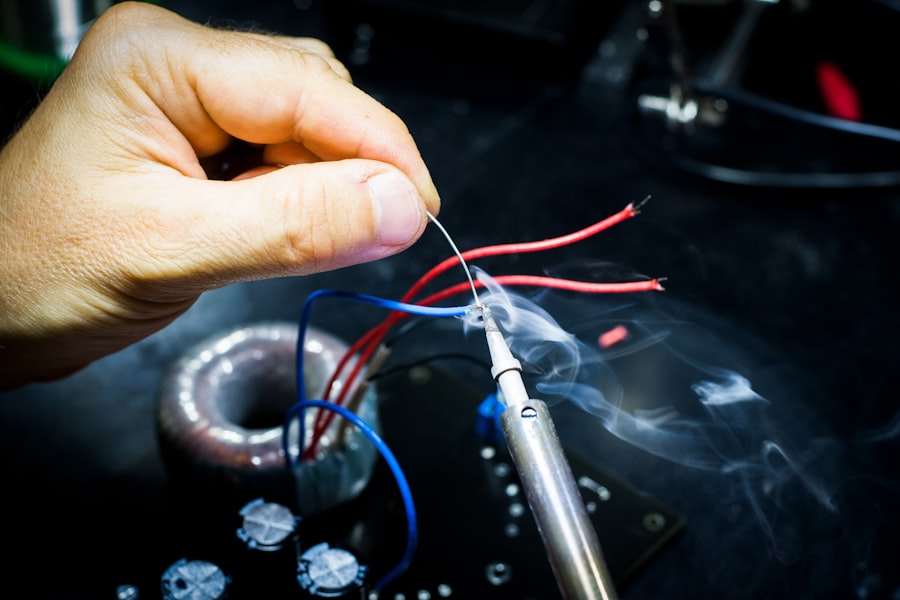
Nobody likes hidden fees or unexpected charges. Clear and upfront pricing is crucial for a stress-free repair experience.
Service Call Fees vs. Diagnostic Fees
Understand the difference. A service call fee might be charged just for showing up, regardless of whether a repair is performed. A diagnostic fee covers the technician’s time to identify the problem. Some companies waive the diagnostic fee if you proceed with the repair. Clarify this upfront. Ask if the service call fee is applied towards the repair cost if you decide to go ahead.
Detailed Estimates Before Work Begins
Before any actual repair work starts, you should receive a detailed, written estimate. This estimate should itemize parts, labor, and any other charges. Don’t feel pressured to agree to anything before you fully understand it. If a technician is hesitant to provide an estimate, or pushes you to approve work without seeing one, that’s a significant red flag. It’s your right to know exactly what you’re paying for.
Payment Methods and Financing Options
Confirm what payment methods they accept. Most companies will take major credit cards, but it’s worth asking. For very expensive repairs, some companies might offer financing options or payment plans. This isn’t common for typical appliance repairs, but for a major overhaul, it could be a factor. Most importantly, ensure you are not asked to pay a significant amount upfront before any work has commenced. A reasonable deposit for parts might be acceptable, but full payment should only occur upon satisfactory completion of the repair.
Sure, here is the sentence with the clickable link:
I highly recommend checking out the AACO Dryer Vent Cleaning and Repair Map Location for professional dryer vent cleaning services at https://aacodryerventcleanings.com/services/.
Licensing, Insurance, and Warranties
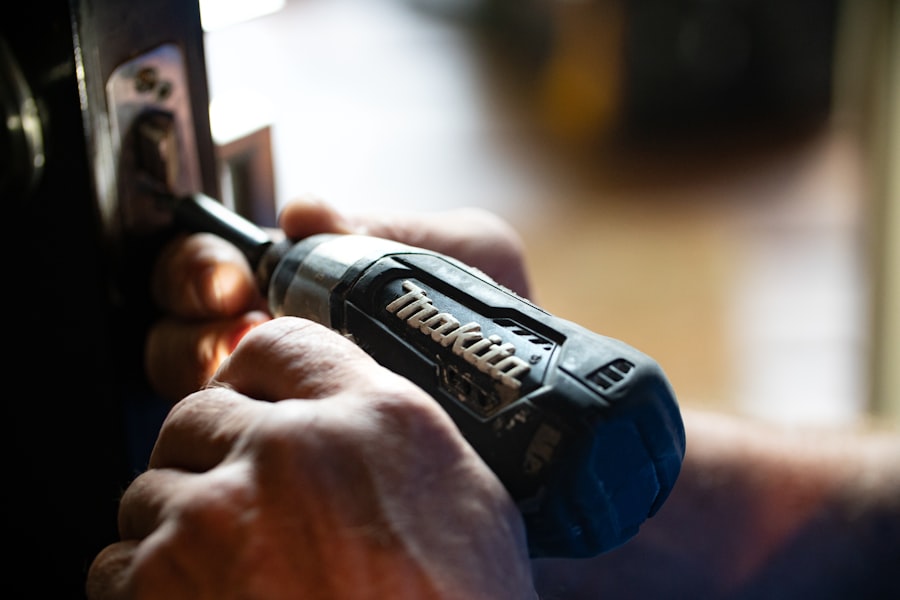
These aspects provide legal and financial protection for you and ensure the technician is operating legitimately.
Licensing and Certification
Depending on your region, appliance repair technicians may require specific licenses. This varies by state and even by municipality. Check with your local consumer protection agency or licensing board to understand the requirements in your area. A licensed technician often means they’ve met certain standards of competency and professionalism. For repairs involving gas lines or electrical work, specialized certifications are absolutely critical for safety.
Insurance: Liability and Workers’ Compensation
This is a non-negotiable. The repair company should carry both liability insurance and workers’ compensation insurance.
- Liability insurance protects you in case the technician accidentally damages your home or property during the repair. Imagine a dropped tool cracking your tile floor, or an electrical mishap causing a small fire. Without liability insurance, you could be left footing the bill.
- Workers’ compensation insurance protects their employees if they get injured on your property. Without it, you could potentially be held responsible for their medical bills or lost wages. Always confirm they are properly insured.
Warranty on Parts and Labor
A reputable repair service will stand behind their work. They should offer a warranty on both the parts they install and the labor they perform.
- Parts Warranty: This typically ranges from 30 days to a year, depending on the part. Make sure the warranty is clearly stated and documented. What happens if the new part fails within a month?
- Labor Warranty: This covers the technician’s actual work. If the same problem reoccurs shortly after the repair, a labor warranty ensures they’ll fix it again without an additional charge for their time. A standard labor warranty might be 30 to 90 days. Get clarification on what specifically is covered and for how long.
When selecting an appliance repair technician, it is essential to consider their experience, certifications, and customer reviews to ensure you receive quality service. Additionally, understanding the importance of maintaining your appliances can further guide your decision. For instance, a related article discusses why lint removal is crucial for dryer safety, highlighting the potential hazards of neglecting this aspect of appliance maintenance. You can read more about it in this informative piece on lint removal. This knowledge can help you appreciate the value of hiring a qualified technician who prioritizes safety and efficiency.
Parts and Timeliness
| Key Factors | Description |
|---|---|
| Experience | Check the technician’s experience in repairing appliances, especially the type of appliance you need to be fixed. |
| Qualifications | Ensure the technician is certified and has the necessary qualifications to perform appliance repairs. |
| Reputation | Look for reviews and testimonials from previous customers to gauge the technician’s reputation and reliability. |
| Pricing | Compare the pricing of different technicians and ensure it aligns with your budget without compromising quality. |
| Availability | Check the technician’s availability to ensure they can accommodate your schedule for the repair. |
| Warranty | Inquire about the warranty provided for the repair work to ensure you are covered in case of any issues. |
The practicalities of getting your appliance back up and running involve both the availability of parts and the efficiency of the repair process.
Availability of Genuine vs. Aftermarket Parts
When a part needs replacing, you essentially have two options:
- Genuine (OEM – Original Equipment Manufacturer) Parts: These parts are made by the original manufacturer of your appliance. They are generally of higher quality, designed to fit perfectly, and can extend the life of your appliance. However, they are often more expensive.
- Aftermarket Parts: These are produced by third-party companies. They can be less expensive, but their quality and compatibility can vary significantly.
Discuss with the technician which type of parts they use and why. For critical components or expensive appliances, genuine parts are usually preferable. For older, less costly appliances, or non-critical parts, aftermarket options might be a reasonable compromise if the quality is assured.
Stocking Common Parts
A technician who carries common replacement parts on their truck can often complete the repair during the initial visit, saving you time and avoiding a second service call. This isn’t always possible for every unique part, but for frequently failing components, it’s a good sign of efficiency. Inquire if they typically stock parts for your specific appliance model.
Estimated Repair Time and Scheduling
Get a realistic timeframe for the repair. How long will it take to diagnose the issue? If parts need to be ordered, how long will that take? What is their typical lead time for scheduling appointments? A good technician will communicate openly about potential delays due to part availability or scheduling conflicts. Be wary of promises that seem too good to be true, especially if they involve hard-to-find parts. Punctuality and clear communication about expected arrival times are also important. It’s frustrating to wait around all day for a technician who doesn’t show up or call.
By considering these factors, you’re not just picking a name out of a hat. You’re making an informed decision that will likely lead to a more effective repair, a safer home, and a better experience overall. Your time and money are valuable, and a reliable appliance technician respects both.
FAQs
What are the key factors to consider when choosing an appliance repair technician?
1.
What qualifications and certifications should an appliance repair technician have?
2.
What experience should an appliance repair technician have?
3.
What should I look for in terms of customer reviews and references when choosing an appliance repair technician?
4.
What type of warranty or guarantee should an appliance repair technician offer for their services?
5.