
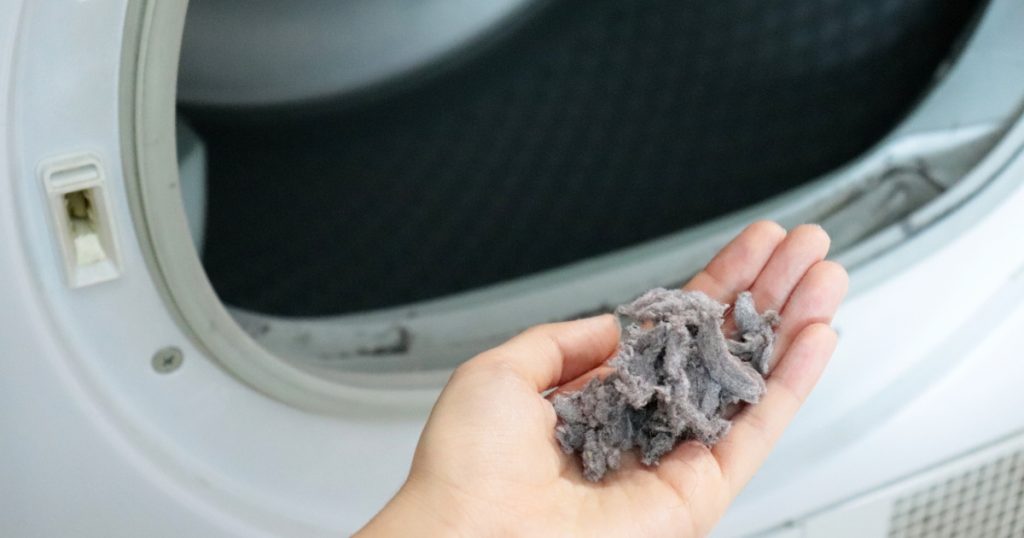
Dryer lint removal is a critical aspect of maintaining a safe and efficient laundry environment. Lint, which is primarily composed of tiny fibers shed from clothing during the drying process, can accumulate in various parts of the dryer, particularly in the lint trap and venting system. This accumulation not only reduces the efficiency of the dryer but also poses significant fire hazards.
According to the National Fire Protection Association (NFPA), failure to clean dryer vents is one of the leading causes of home fires, resulting in thousands of injuries and millions of dollars in property damage each year. Understanding the importance of regular lint removal is essential for homeowners to ensure their appliances operate safely and effectively. Moreover, the presence of lint can lead to longer drying times, which in turn increases energy consumption and utility bills.
When lint builds up in the dryer vent, it restricts airflow, causing the dryer to work harder to achieve the desired drying results. This inefficiency can lead to premature wear and tear on the appliance, potentially resulting in costly repairs or replacements. By prioritizing lint removal, homeowners can not only enhance the performance of their dryers but also extend their lifespan, ultimately saving money in the long run. AACO Dryer Vent Cleaning Services offers professional dryer vent cleaning to improve the safety and efficiency of your home.
Key Takeaways
- Regular dryer lint removal is important for preventing fire hazards and improving dryer efficiency.
- Clean the lint trap after every load and deep clean the lint trap and dryer vent at least once a year.
- Use a lint brush, vacuum attachment, and dryer vent cleaning kit for effective lint removal.
- Follow a step-by-step guide to clean the lint trap and dryer vent thoroughly.
- Regularly cleaning the dryer vent is crucial for preventing lint build-up and maintaining dryer performance.
Tips for Regular Lint Cleaning
Inspecting the Lint Trap
Additionally, it is advisable to inspect the lint trap for any signs of damage or wear, as a compromised trap can lead to further lint buildup and reduced efficiency.
Deep Cleaning the Dryer Vent
In addition to cleaning the lint trap, homeowners should also consider conducting a more thorough cleaning of the dryer vent at least once a year. This involves disconnecting the vent from the dryer and using a vacuum or specialized vent cleaning brush to remove any accumulated lint.
Reducing Fire Risks and Improving Airflow
Regularly checking and cleaning the vent not only improves airflow but also significantly reduces fire risks associated with lint buildup. Setting reminders on a calendar or using smartphone apps can help ensure that these important maintenance tasks are not overlooked.
Tools and Products for Effective Lint Removal
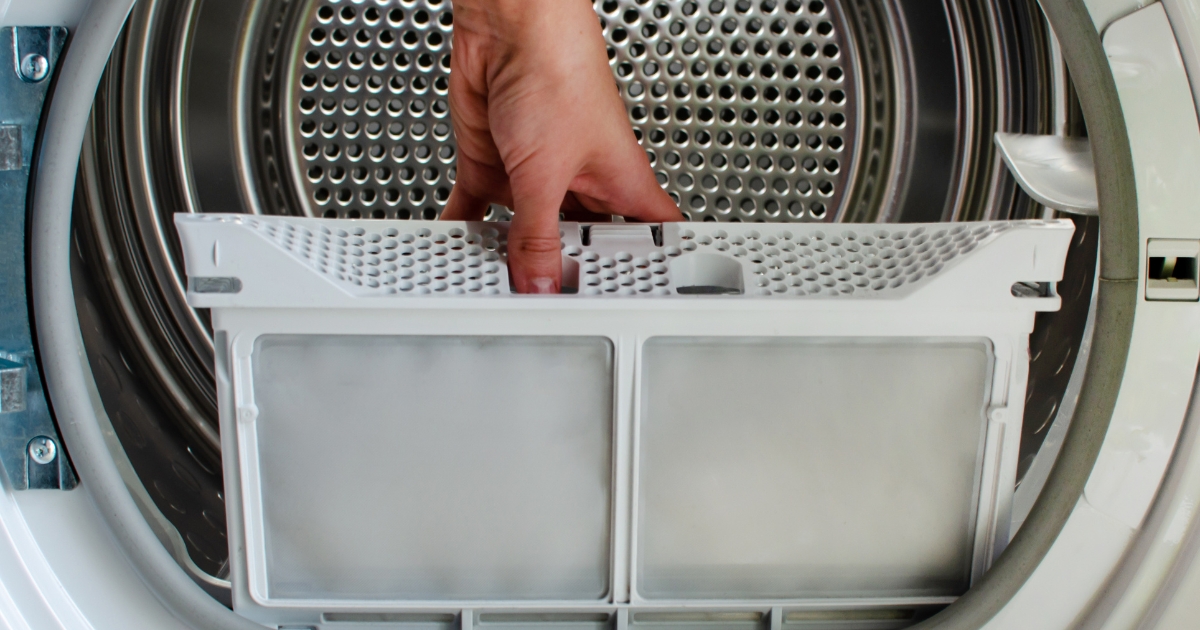
Having the right tools and products on hand can make the process of lint removal more efficient and effective. A high-quality vacuum cleaner with a hose attachment is one of the most valuable tools for removing lint from both the lint trap and dryer vent. Many vacuums come with specialized attachments designed for reaching tight spaces, making it easier to remove stubborn lint that may be lodged in hard-to-reach areas.
In addition to a vacuum, investing in a lint brush or a flexible lint removal tool can be beneficial. These tools are specifically designed to capture lint from various surfaces within the dryer and vent system. Some products even feature extendable handles that allow users to reach deep into the vent without needing to disassemble any components.
Furthermore, using dryer vent cleaning kits that include brushes and rods can simplify the process of cleaning long vent ducts, ensuring that all accumulated lint is effectively removed.
Step-by-Step Guide for Cleaning the Lint Trap
Cleaning the lint trap is a straightforward process that should be performed after every load of laundry. To begin, open the dryer door and locate the lint trap, which is typically situated just inside the door or on top of the dryer. Gently pull out the lint trap and use your fingers or a soft brush to remove any visible lint buildup.
It is important to be thorough during this step, as even small amounts of lint can impact dryer performance. Once the visible lint has been removed, it is advisable to wash the lint trap with warm soapy water every few months. This helps eliminate any residue or fabric softener buildup that may have accumulated over time.
After washing, allow the trap to dry completely before reinserting it into the dryer. Regularly cleaning the lint trap not only enhances airflow but also ensures that your dryer operates efficiently, reducing drying times and energy consumption.
How to Clean the Dryer Vent
Cleaning the dryer vent is a more involved process than cleaning the lint trap but is equally important for maintaining dryer efficiency and safety. To begin, unplug the dryer from its power source and disconnect the vent duct from the back of the appliance. This may require loosening clamps or screws that hold the duct in place.
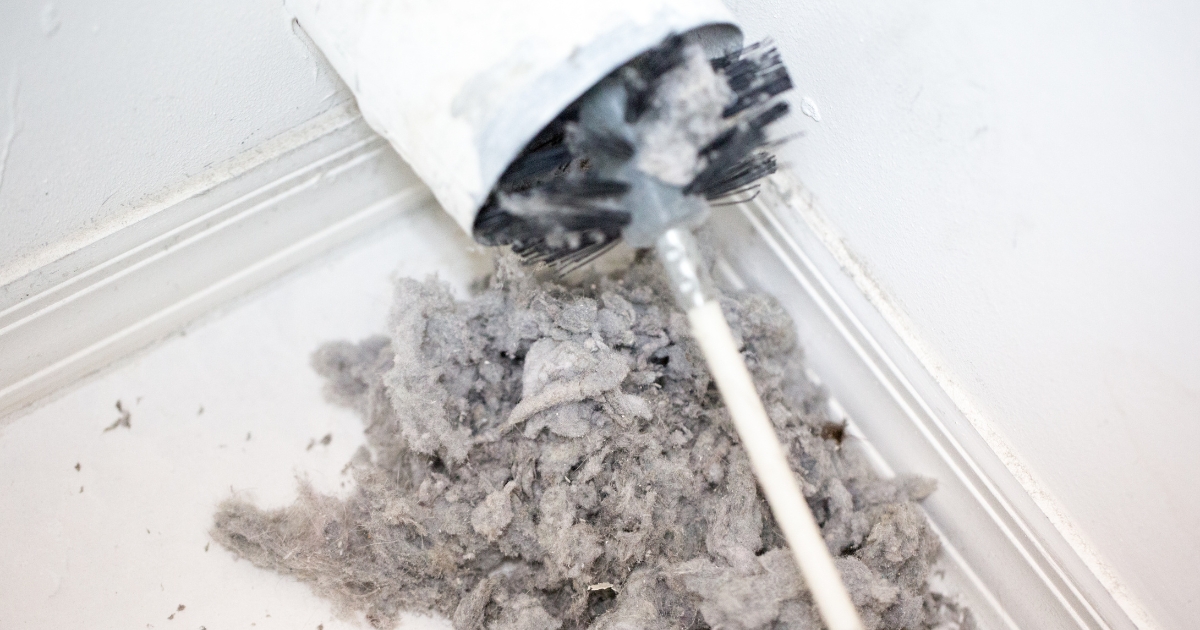
Once disconnected, carefully pull the duct away from both the dryer and wall vent. Next, use a vacuum cleaner with a hose attachment to remove any visible lint from both ends of the duct. For deeper cleaning, consider using a specialized dryer vent cleaning brush, which can reach further into the ductwork.
Insert the brush into one end of the duct and gently push it through while rotating it to dislodge any stubborn lint buildup. Repeat this process until you feel confident that all accumulated lint has been removed. After thoroughly cleaning the duct, reattach it securely to both the dryer and wall vent before plugging in the appliance again.
It’s advisable to run a short drying cycle with an empty load afterward to ensure everything is functioning correctly and to check for any unusual noises or airflow issues.
Importance of Cleaning the Dryer Vent Regularly
Fire Safety Risks
One of the most pressing concerns is fire safety; as mentioned earlier, lint buildup in dryer vents is a leading cause of house fires. The NFPA reports that nearly 16,000 home fires are attributed to clothes dryers each year, with failure to clean being a significant factor in these incidents.
Reducing the Risk of Fires and Energy Inefficiency
By committing to regular vent cleaning, homeowners can significantly reduce their risk of experiencing such dangerous situations. In addition to fire safety, regular vent cleaning contributes to better energy efficiency. When vents are clogged with lint, dryers must work harder to circulate air and dry clothes effectively.
Benefits of Regular Vent Cleaning
This increased workload not only leads to longer drying times but also results in higher energy bills. By ensuring that vents are clean and unobstructed, homeowners can enjoy lower utility costs while also extending the lifespan of their appliances.
DIY Methods for Removing Lint from the Dryer
For those who prefer a hands-on approach, there are several DIY methods for effectively removing lint from dryers without needing professional assistance. One popular method involves using a flexible brush specifically designed for cleaning dryer vents. These brushes can be inserted into vent ducts to dislodge and capture lint buildup that may be difficult to reach otherwise.
Another effective DIY method involves using a vacuum cleaner equipped with a long hose attachment. By carefully inserting the hose into both ends of the vent duct, homeowners can suction out accumulated lint easily. It’s important to ensure that all sections of the duct are cleaned thoroughly; this may require moving furniture or appliances if necessary to access hidden areas.
Additionally, some homeowners find success using compressed air cans to blow out stubborn lint clogs from vents. This method can be particularly useful for reaching deep into long ducts where traditional cleaning tools may struggle. However, caution should be exercised when using compressed air, as it can sometimes push lint further into hard-to-reach areas if not done carefully.
Professional Dryer Lint Removal Services
While many homeowners opt for DIY methods when it comes to dryer lint removal, there are instances where professional services may be warranted. Professional dryer vent cleaning services possess specialized equipment and expertise that can ensure thorough cleaning beyond what most homeowners can achieve on their own. These services often include comprehensive inspections of both internal and external vent systems, identifying potential issues such as blockages or damage that may require repair.
Hiring professionals can also save time and effort for busy individuals who may not have the resources or inclination to tackle extensive cleaning tasks themselves. Many companies offer affordable packages that include routine maintenance checks alongside deep cleaning services, providing peace of mind regarding fire safety and appliance efficiency. Furthermore, professional services often come with warranties or guarantees on their work, ensuring that homeowners receive quality service and support should any issues arise post-cleaning.
This added layer of assurance can be invaluable for those looking to maintain their dryers in optimal condition without taking on all responsibilities themselves.
Common Mistakes to Avoid When Removing Lint from the Dryer
When it comes to removing lint from dryers, there are several common mistakes that homeowners should be aware of in order to avoid compromising safety or efficiency. One prevalent mistake is neglecting to clean both the lint trap and vent system regularly; focusing solely on one aspect can lead to dangerous levels of buildup elsewhere in the system. Another mistake involves using inappropriate tools or methods for cleaning out vents.
For instance, using metal objects or sharp tools can damage ductwork or create additional hazards within the system. Instead, it’s essential to utilize soft brushes or vacuum attachments specifically designed for this purpose. Additionally, some homeowners may overlook signs indicating that their dryers need more frequent maintenance than they currently provide.
If clothes take longer than usual to dry or if there are unusual smells coming from the appliance during operation, these could be indicators of significant lint buildup requiring immediate attention.
Preventing Lint Build-Up in the Dryer
Preventing lint buildup in dryers requires proactive measures that go beyond regular cleaning routines. One effective strategy is selecting appropriate laundry materials; synthetic fabrics tend to shed more fibers than natural fibers like cotton or linen. By being mindful of fabric choices when purchasing clothing or linens, homeowners can reduce overall lint production during drying cycles.
Another preventive measure involves ensuring proper ventilation around dryers themselves; adequate airflow helps minimize moisture retention within ducts while also reducing potential clogs caused by accumulated debris over time. Homeowners should avoid placing items near their dryers that could obstruct airflow or create additional hazards. Finally, utilizing dryer balls made from wool or rubber can help reduce static cling while also promoting better airflow within loads during drying cycles—this leads not only to less lint production but also improved drying efficiency overall.
Troubleshooting Common Issues with Lint Removal from the Dryer
Despite best efforts at maintaining cleanliness within dryers and their associated systems, issues may still arise that require troubleshooting skills on behalf of homeowners. One common problem involves persistent odors emanating from appliances during operation; this could indicate trapped moisture due either directly or indirectly due to excessive lint accumulation within vents themselves. Another issue might manifest as longer-than-usual drying times; if clothes remain damp after multiple cycles despite proper settings being used on machines themselves—this could signal blockages present within either traps or ducts requiring immediate attention before further damage occurs.
In cases where appliances exhibit unusual noises during operation—such as rattling sounds—this could indicate loose components caused by excessive strain placed upon them due improper airflow resulting from clogged systems needing urgent care before further complications arise down line. By understanding these common issues associated with lint removal processes—and taking proactive steps towards addressing them—homeowners can ensure their dryers remain safe efficient appliances capable meeting everyday laundry needs without unnecessary risks involved!
If you are struggling with lint buildup in your dryer, you may want to consider checking for signs of a clogged or damaged dryer vent. According to AACO Dryer Vent Cleaning, some common signs include longer drying times, a burning smell, or excessive heat in the laundry room. It is important to address these issues promptly to prevent potential fire hazards and ensure the efficiency of your dryer. If you are in the Clearwater, FL area, you can contact AACO Dryer Vent Cleaning for professional vent cleaning services.
FAQs
What causes lint to build up in a dryer?
Lint builds up in a dryer due to the natural shedding of fibers from clothing during the drying process. This lint can accumulate in the dryer’s lint trap, vent, and other areas within the appliance.
Why is it important to remove lint from a dryer?
Removing lint from a dryer is important to prevent potential fire hazards. Lint is highly flammable and can ignite if it accumulates in the dryer’s exhaust system or around the heating element.
How often should I remove lint from my dryer?
It is recommended to remove lint from the dryer’s lint trap after every load of laundry. Additionally, the dryer’s vent and exhaust system should be cleaned at least once a year to prevent lint buildup.
What are the methods for removing lint from a dryer?
Lint can be removed from a dryer by cleaning the lint trap after each use, vacuuming the lint trap and surrounding areas, and using a dryer lint brush to clean the vent and exhaust system. It is also important to check and clean the dryer’s exterior vent regularly.
Are there professional services available for removing lint from a dryer?
Yes, there are professional dryer vent cleaning services that specialize in removing lint and debris from the dryer’s vent and exhaust system. These services can help ensure that the dryer is thoroughly cleaned and free of lint buildup.