
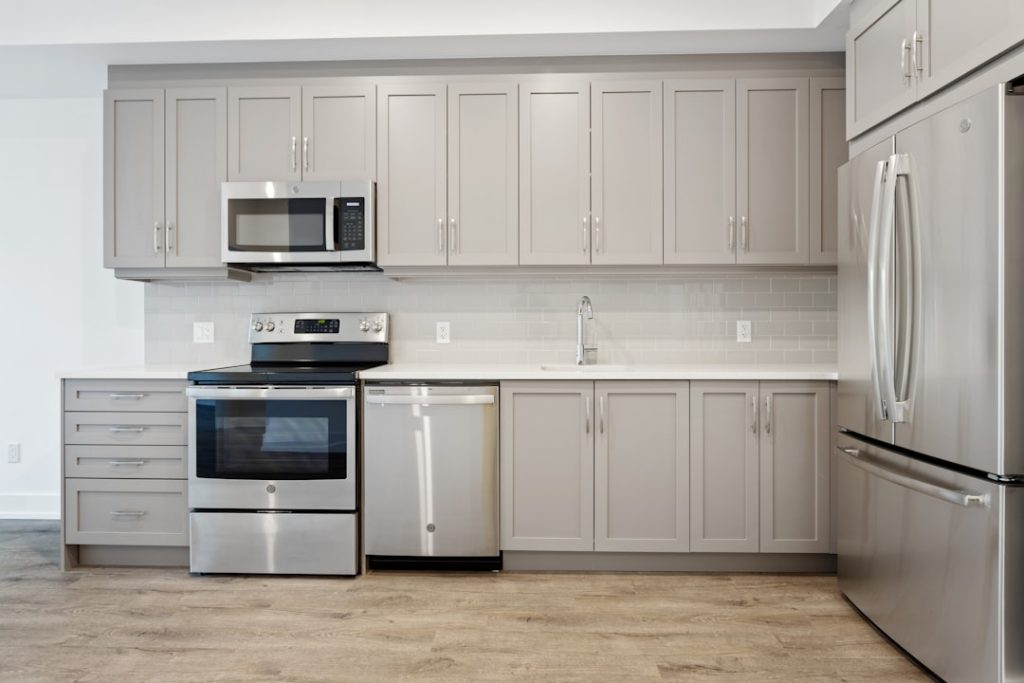
Refrigerators are essential appliances in any household, serving the critical function of preserving food and beverages. However, they can sometimes exhibit problems such as inefficient cooling, leaking, or producing unusual noises. An inefficient cooling system can lead to spoiled food and increased energy bills, while leaks can create unsightly puddles and potential water damage.
Unusual noises, such as humming or rattling, can indicate mechanical issues that may require immediate attention. These problems not only disrupt daily life but can also lead to costly repairs if not addressed promptly. To maintain a refrigerator’s efficiency and longevity, regular maintenance is crucial.
One of the most effective maintenance tasks is cleaning the condenser coils, which are typically located at the back or beneath the appliance. Dust and debris can accumulate on these coils, hindering their ability to dissipate heat and causing the refrigerator to work harder than necessary. A simple vacuuming or wiping down with a damp cloth can significantly improve cooling efficiency.
Additionally, checking the door seals is vital; worn or damaged seals can allow cold air to escape, leading to increased energy consumption. Inspecting the water filter is also essential, as a clogged filter can affect water quality and ice production. Regularly replacing the filter ensures that the refrigerator operates optimally. AACO Dryer Vent Cleaning and Repair offers professional and reliable services for all your dryer vent needs.
Key Takeaways
- Clean the condenser coils, check the door seals, and inspect the water filter to maintain efficient cooling and prevent leaking or unusual noises in the refrigerator.
- Clean the filters, check the spray arms, and run a cleaning cycle with vinegar to prevent clogged filters, poor drainage, or foul odors in the dishwasher.
- Clean the detergent dispenser, inspect the hoses, and run a cleaning cycle with bleach to prevent foul odors, leaks, or excessive vibration in the washing machine.
- Clean the lint trap, check the vent system, and inspect the drum belt to prevent overheating, longer drying times, or strange noises in the dryer.
- Clean the oven interior, calibrate the temperature, and inspect the door gasket to prevent uneven cooking, inaccurate temperature, or faulty heating elements in the oven.

Dishwasher:
Dishwashers are designed to make cleaning dishes a hassle-free experience, but they can encounter issues such as clogged filters, poor drainage, or foul odors. Clogged filters can prevent water from circulating properly during a wash cycle, resulting in dirty dishes and inefficient cleaning. Poor drainage can lead to standing water at the bottom of the dishwasher, creating an unsanitary environment and potentially damaging the appliance.
Foul odors often arise from food particles trapped in the filter or spray arms, making it essential to address these issues promptly. To keep a dishwasher functioning effectively, routine maintenance is necessary. Cleaning the filters should be a priority; most dishwashers have removable filters that can be easily accessed and rinsed under running water.
This simple task can prevent clogs and ensure optimal performance. Checking the spray arms for blockages is equally important; food debris can accumulate in the small holes of the spray arms, hindering water flow. Running a cleaning cycle with vinegar can help eliminate odors and remove any buildup inside the appliance.
This natural cleaning agent not only deodorizes but also helps dissolve mineral deposits that may affect performance.
Washing Machine:
Washing machines are indispensable for maintaining clean clothing, but they can develop problems such as foul odors, leaks, or excessive vibration over time. Foul odors often stem from stagnant water or mold growth within the machine, which can be unpleasant and indicate poor hygiene. Leaks can result from worn hoses or faulty seals, leading to water damage in the laundry area.
Excessive vibration during spin cycles can not only be disruptive but may also indicate an imbalance in the load or mechanical issues that need addressing. To ensure a washing machine operates smoothly, regular maintenance is essential. Cleaning the detergent dispenser is a crucial step; residue from detergent can build up over time, leading to clogs and ineffective washing.
Inspecting the hoses for signs of wear or leaks is equally important; replacing old or damaged hoses can prevent significant water damage and costly repairs. Running a cleaning cycle with bleach can help eliminate odors and sanitize the drum, ensuring that clothes come out fresh and clean. This routine maintenance not only prolongs the life of the washing machine but also enhances its performance.
Dryer:
Dryers play a vital role in household laundry routines, but they can experience issues such as overheating, longer drying times, or strange noises. Overheating can pose a fire hazard and may indicate a blockage in the vent system or a malfunctioning thermostat. Longer drying times can be frustrating and may signal that the dryer is not venting properly or that lint buildup is obstructing airflow.
Strange noises during operation can indicate mechanical problems that require immediate attention to prevent further damage. To maintain a dryer’s efficiency and safety, regular upkeep is necessary. Cleaning the lint trap after each use is essential; this simple task prevents lint buildup that can lead to overheating and reduced efficiency.
Checking the vent system for blockages is equally important; a clogged vent can restrict airflow and increase drying times significantly. Inspecting the drum belt for wear or damage ensures that the dryer operates smoothly without unusual noises. By performing these maintenance tasks regularly, homeowners can extend the life of their dryers while ensuring safe and efficient operation.
Oven:
Ovens are central to many cooking processes, but they can develop problems such as uneven cooking, inaccurate temperature readings, or faulty heating elements. Uneven cooking often results in some parts of food being overcooked while others remain undercooked, which can be frustrating for home cooks trying to achieve perfect results. Inaccurate temperature readings can lead to cooking disasters, as recipes rely on precise temperatures for optimal outcomes.
Faulty heating elements may cause certain areas of the oven to remain cold while others become excessively hot. To maintain an oven’s performance, regular maintenance is crucial. Cleaning the oven interior helps prevent smoke and odors during cooking; built-up grease and food particles can ignite and create unpleasant smells.
Calibrating the temperature ensures that the oven heats accurately; this process involves using an oven thermometer to check if the internal temperature matches the set temperature and adjusting accordingly if discrepancies are found. Inspecting the door gasket for wear or damage is also important; a faulty gasket can allow heat to escape, leading to inefficient cooking and increased energy consumption.
Water Heater:
Water heaters are vital for providing hot water for various household needs, but they can develop issues such as inadequate hot water supply, leaks, or rust-colored water. An inadequate hot water supply may frustrate homeowners during showers or dishwashing, indicating that the heater may not be functioning properly or that it is undersized for household needs. Leaks around the base of the heater can lead to significant water damage if not addressed promptly.
Rust-colored water often indicates corrosion within the tank, which could compromise water quality. To maintain a water heater’s efficiency and longevity, regular maintenance is essential. Flushing the tank periodically helps remove sediment buildup that can affect heating efficiency; this process involves draining some of the water from the tank to clear out any accumulated debris.
Checking the anode rod—designed to prevent corrosion—ensures that it is still effective; replacing it when necessary can prolong the life of the tank significantly. Inspecting the pressure relief valve is also crucial; this safety feature prevents excessive pressure buildup within the tank and should be tested regularly to ensure proper functioning.
Microwave:
Microwaves are convenient appliances for quick meal preparation but can experience problems such as uneven heating, sparking during operation, or faulty buttons that hinder usability. Uneven heating often results from hot spots within food items due to improper placement on the turntable or malfunctioning components within the microwave itself. Sparking during operation may indicate metal objects inside or damaged components that require immediate attention for safety reasons.
Faulty buttons can make it difficult to operate the microwave effectively. To maintain a microwave’s performance and safety, regular upkeep is necessary. Cleaning the interior helps prevent food splatters from becoming baked on; using a mixture of vinegar and water in a microwave-safe bowl can help loosen grime while deodorizing at the same time.
Inspecting door seals ensures that they are intact; damaged seals can lead to energy loss and safety hazards due to radiation leakage. Testing power levels by heating a cup of water for a specific time allows users to determine if their microwave is functioning correctly; if it takes longer than expected to heat food adequately, further investigation may be needed.
Garbage Disposal:
Garbage disposals are invaluable for managing kitchen waste but may develop problems such as clogs, foul odors, or leaks over time. Clogs often occur when fibrous foods or large items are introduced into the disposal unit; this not only hinders functionality but may also lead to unpleasant backups in sinks. Foul odors typically arise from decomposing food particles trapped within the disposal unit; these odors can permeate kitchens if not addressed promptly.
To keep a garbage disposal functioning optimally, routine maintenance is essential. Cleaning the disposal regularly helps prevent odors; running ice cubes through it not only sharpens blades but also helps dislodge any stuck debris within its components. Checking for loose parts ensures that all connections are secure; loose components may lead to leaks or inefficient operation over time.
Running citrus peels through the disposal provides natural deodorization while also helping clean its interior surfaces.
Freezer:
Freezers play a crucial role in preserving food items long-term but may encounter issues such as frost buildup, inadequate cooling, or unusual noises during operation. Frost buildup often occurs when warm air enters due to improper sealing; this not only reduces storage space but also affects energy efficiency as freezers work harder to maintain low temperatures. Inadequate cooling may lead to spoiled food items if not addressed quickly; unusual noises could indicate mechanical issues requiring immediate attention.
To maintain a freezer’s efficiency and functionality, regular upkeep is necessary. Defrosting the freezer periodically helps eliminate frost buildup; this process involves unplugging it and allowing ice to melt naturally before cleaning surfaces thoroughly with warm soapy water afterward. Cleaning condenser coils ensures optimal cooling performance; dust accumulation on these coils hinders heat dissipation and forces freezers to work harder than necessary.
Checking door seals for wear ensures that cold air remains contained within while preventing energy loss over time. By understanding common appliance problems and implementing routine maintenance practices across various household devices—from refrigerators to freezers—homeowners can enhance their longevity while ensuring optimal performance throughout their daily lives.
When considering which appliances require annual maintenance, it’s crucial to include your dryer on the list. Regular maintenance of your dryer, particularly the vent, is essential to ensure its efficient operation and to prevent potential hazards. An article that delves into the importance of this maintenance is titled “Why is Dryer Vent Cleaning Important for Fire Safety?” and can be found here. This article highlights the critical role that regular dryer vent cleaning plays in preventing fire hazards, emphasizing the need for annual checks and maintenance to keep your home safe.
FAQs
What appliances should receive annual maintenance?
Some common appliances that should receive annual maintenance include air conditioners, furnaces, refrigerators, dishwashers, washing machines, and dryers.
Why is annual maintenance important for appliances?
Annual maintenance helps to ensure that appliances are running efficiently, reduces the risk of breakdowns, extends the lifespan of the appliance, and can help to identify and address any potential safety hazards.
What are the benefits of annual maintenance for appliances?
The benefits of annual maintenance for appliances include improved energy efficiency, lower utility bills, reduced risk of costly repairs, and peace of mind knowing that the appliances are in good working condition.
What are some common tasks included in annual maintenance for appliances?
Common tasks included in annual maintenance for appliances may include cleaning or replacing filters, checking for leaks or blockages, inspecting electrical components, lubricating moving parts, and testing the overall performance of the appliance.
Can I perform annual maintenance on my appliances myself?
While some basic maintenance tasks can be performed by homeowners, it is often recommended to have a professional technician perform annual maintenance on appliances to ensure that all components are properly inspected and serviced.